
Where the series hardest entries sit, what the demo says about this game's challenge, and how sliders tame it.
Hardest Castlevania Game: Where Belmont's Curse Ranks
No single entry tops every hardest-ever list, but two names appear on almost all of them: Castlevania III: Dracula's Curse, the brutal NES classic, and Haunted Castle, the arcade quarter-muncher. Order of Ecclesia leads the modern half of the series. Belmont's Curse is not joining that club: its demo is firmly challenging, and its Custom Mode sliders let every player tune damage, EXP and even death itself.
- The classic top tier is Dracula's Curse, Haunted Castle, Order of Ecclesia and the original NES game.
- The Belmont's Curse demo offers one boss and 30 to 45 minutes of firm-but-fair action.
- Settings > Gameplay > Custom Mode holds the sliders that decide how hard your run feels.
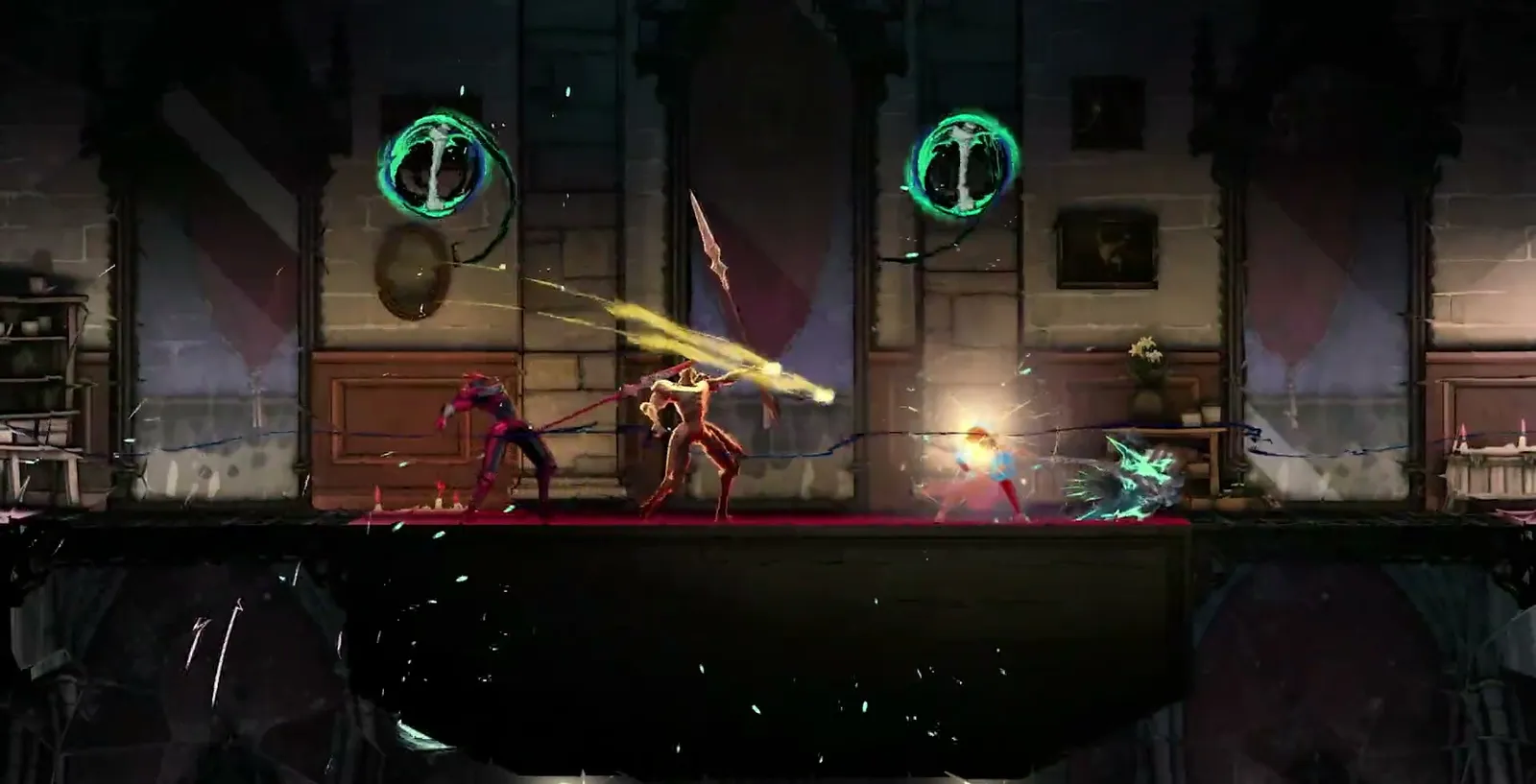
The hardest Castlevania games, by community consensus
Ask ten fans and you get ten orders, yet the same four titles keep surfacing at the sharp end of every discussion. One difficulty-ranking site puts it in numbers, scoring Dracula's Curse at 8.96 and Order of Ecclesia at 7.82, with the NES classic taking the crown among games most people actually own.
| Game | Why it hurts | Who keeps naming it |
|---|---|---|
| Castlevania III: Dracula's Curse (NES) | Branching routes, stiff jumps, scarce continues, plus a Hard Mode that unlocks after a clear | GameFAQs posters call it the hardest in the franchise; the scoring site agrees |
| Haunted Castle (arcade) | Arcade-tuned damage, cruel checkpoints, built to eat coins | Speedrun forum regulars tie it with Ecclesia for the overall crown |
| Order of Ecclesia (DS) | Heavy enemy damage, demanding boss patterns, infamous level-1-cap challenge runs | Series fans name it the hardest modern-style entry |
| Castlevania (NES original) | Knockback that throws you into pits, stages built on memorization | Its own store listing still calls it an intense hard-to-beat action platformer |
The Castlevania Wiki documents a separate Hard Mode for Dracula's Curse that opens after beating Normal Mode, starting you with the companion you finished with. That is the shape of classic Castlevania punishment: finish the hard thing, unlock a harder thing.
Why the old games hit harder than anything modern
Three design habits separate the classic top tier from everything released since. First, knockback. Taking a hit in the NES games flings Simon or Trevor backwards, often straight into a pit, so one mistake compounds into a lost life. Modern entries, Belmont's Curse included, reserve knockback for specific heavy attacks instead of every stray bat.
Second, the continue economy. Arcade Haunted Castle charged real money per attempt, and the NES trilogy rationed continues because that was the business model. Losinggenuinely cost something. Today a Mirror of Life checkpoint or a respawn toggle caps the price of failure at seconds, not coins.
Third, no tuning dials. The old games shipped one difficulty and dared you to meet it. Every modern release offers some concession, from assist options to outright sliders, which structurally caps how punishing the intended experience can be. A game you can soften at will cannot top a hardest-ever ranking on its default settings, and that fact matters when placing the new game.
What the Belmont's Curse demo proves about its challenge
The free demo launched October 1, 2026 on PS5, Xbox Series X|S, Switch and Steam, covering the opening Paris chapter plus the sewers and exactly one boss, The Fallen. Straight runs land around 30 to 45 minutes. That slice is the only playable evidence available before the full game arrives on October 15, 2026, so every claim below is demo-scoped. Download links and transfer rules live on the demo guide.
Official source: Castlevania: Belmont's Curse demo page - platform list, frame rates, and the five save-transfer conditions quoted from Konami.
The strongest difficulty anecdote comes from a preview session: roughly 45 minutes in, stuck on The Fallen, the writer only broke through after a developer quietly suggested tuning the difficulty modifiers. Small tweaks later, the boss fell and the Arcana Whip dropped. That story cuts both ways. A boss that walls a professional for nearly an hour is real challenge; a boss the developers expect you to slider past is challenge with a release valve built in.
PlayStation's hands-on writer described the intended feel directly: mistakes are punished fast and hard but never unfair, and survival comes down to learning patterns, using the dodge's invincibility frames, and mastering Rose's attacks. The shared mana pool does quiet work here too. Healing and spells draw from one bar that refills only through kills, so every heal is a spell you chose not to cast. The controls and difficulty page maps the full button kit, and the The Fallen boss guide covers the Holy Cross timing that ends most stuck runs.
Official source: Castlevania: Belmont's Curse hands-on report - dodge frames, Arcana Whip grapple, shared mana pool and the fair-but-fast combat feel.
The developers have said the quiet part aloud. Producer Tsutomu Taniguchi pointed to the level-up system as the on-ramp for newcomers and players weak at action games, with the options menu as the second net. Director Yukiko Hokao answered from the other side: the team did not want a simple or easy game, because that is not Castlevania. Evil Empire's creative director added that the emphasis is on gameplay being fair. Read those three statements together and you get the design brief in one line: steep, honest, adjustable. The GamesRadar translation of the July interviews carries all three quotes.
Where Belmont's Curse ranks right now
An honest placement needs one caveat up front: the full game is unreleased as of this writing, so no final rank is possible. What the demo supports is a provisional tier, not a trophy position.
| Tier | Occupants | Where the demo points |
|---|---|---|
| Arcade punishment | Haunted Castle | Nothing in the demo approaches this; checkpoints and sliders forbid it |
| Classic gauntlet | Dracula's Curse, NES original | The Fallen echoes these fights in pattern density, not in punishment cost |
| Demanding modern | Order of Ecclesia | Closest neighbor: pattern-first bosses, real damage, but with tuning dials Ecclesia never had |
| Firm but fair | Belmont's Curse demo | Fast punishment, generous tools, adjustable everything |
| Gentle on-ramp | Tuned-down Custom Mode runs | Damage received lowered and EXP raised until the game stops resisting |
Two structural facts keep the full game out of hardest-ever contention even if its later bosses turn vicious. First, Custom Mode is part of the intended experience, not a cheat menu; the developers themselves point stuck players at it. Second, the level-up system means grinding is always a legal answer to a wall, which the NES gauntlets never allowed. A ranking that ignores the sliders measures a game nobody is forced to play.
That is good news disguised as a demotion. The demo suggests Belmont's Curse lands where most players want a 2026 action game to land: hard enough that The Fallen feels earned, soft enough that nobody quits Paris. If you want the classic sting, leave every slider at default and skip the Crypt Key relic. The tips and tricks page collects the habits that make a default-settings run smoother, from backdash attacks to secret walls.
Everything above is demo-scoped. Six bosses are named for the full game, including Joan of Arc, Medusa, Isaac, Carmilla and Death, and any one of them could reset this placement. Treat the tier as provisional until full-game clears are on record.
How the difficulty sliders tame the challenge
Settings > Gameplay > Custom Mode is the path, reachable from the main menu or mid-run. Konami's own site never documents the screen, so every name below is press- and player-reported, gathered on the controls and difficulty page. Steam's demo metadata confirms adjustable difficulty exists without listing the fields.
| Modifier | What it does | Touch it when |
|---|---|---|
| Damage dealt | Scales Rose's output | Fights feel long rather than deadly |
| Damage received | Scales enemy output | The Fallen two-shots you and learning stops |
| EXP gained | Speeds up leveling | You want levels, not a grind route |
| Maximum potions | Raises carried potion count | You keep dying with empty hands |
| Restart before boss | Respawns you at the boss door | Attempts cost minutes of walking |
| Prevent death | Reads like a god mode | You only want to sightsee |
Nobody has published the ranges or step sizes, so a single notch is an unknown quantity. Move damage received first, fight for five minutes, then decide. Shifting everything at once lands you on an easy mode you never chose, and climbing back is guesswork.
Mana discipline matters as much as sliders. Healing through L1 spends the same bar as Triangle spells, and only kills refill it, so the loop is clear room, spend mana, clear next room. The how to heal guide traces every healing source from checkpoint rooms to the Crypt Key relic, and the weapons and relics page explains why that relic answers the mana tension outright. Prefer the official storefront for the client itself: Castlevania: Belmont's Curse on Steam.
FAQ
Is Belmont's Curse the hardest Castlevania game? No. The demo is firmly challenging, but the classic top tier of Dracula's Curse, Haunted Castle and Order of Ecclesia sits well above it, and the Custom Mode sliders let you soften the new game at will.
Which Castlevania game is the hardest ever? Most lists converge on Castlevania III: Dracula's Curse among widely owned games, with arcade Haunted Castle as the all-time punisher for those who count arcade releases. One scoring site rates them accordingly, Dracula's Curse ahead.
Is Order of Ecclesia really that hard? For the modern exploration-driven half of the series, yes. Its enemy damage and boss patterns top most fan rankings of that style, and level-1-cap runs are a known endurance test. The Belmont's Curse demo gestures at its pattern density without matching its damage.
Does Belmont's Curse have difficulty settings? Yes, but as sliders rather than named tiers. Settings > Gameplay > Custom Mode holds damage dealt, damage received, EXP gained, maximum potions, plus restart-before-boss and prevent-death toggles.
How hard is The Fallen compared to classic bosses? Pattern-dense like a classic gatekeeper and able to wall a player for the better part of an hour, but cheap to retry with checkpoints nearby and sliders one menu away. Classic bosses cost continues; The Fallen costs minutes.
Do the difficulty sliders lock achievements? Unknown. The question was raised on the Steam forums on October 1 with no developer answer. Check the store page and Konami's site at launch before committing to a full run.
Related Guides
- Belmont's Curse Controls and Difficulty - the full slider list and the PS5 button map behind this ranking.
- Castlevania Belmont's Curse Demo Guide: How to Play - download the demo this verdict is based on.
- Castlevania Tips and Tricks for Belmont's Curse - combat habits that make default sliders feel fair.
- Belmonts Curse Bosses List: All 6 Confirmed So Far - the fights that could still move this ranking.
- The Fallen Boss Guide - the one demo wall, with Holy Cross timing.
More Castlevania: Belmont's Curse Guides
Reported 45fps dips, the odd 'Limited FPS' setting, a demo resolution cap and Linux 240Hz issues, in a settings-first fix order.
Download it on PS5, Switch, Xbox or Steam. Covers the opening Paris Streets chapter, where the demo ends, and if progress carries over.
Konami's five conditions for demo progress to carry into the Oct 15 full game, and the mistakes that silently wipe your demo save.
The full demo route: Paris Streets, the sewers, every Mirror of Life, the three-key door and the The Fallen gate, in verified order.
The questions the demo release produced: release date, platforms, save transfer, Switch 2, editions, roguelike or not, bosses, cast and Steam Deck.
No day-one confirmation as of October 10; where the rumor came from and cheapest ways to play on Xbox and PC.
Demo takes 30-45 minutes; full-game length is unannounced. What the demo proves, plus realistic expectations for launch.
Where healing comes from in the demo, from checkpoint rooms to the Crypt Key relic, and how to survive the sewers.